• garden

    SYDNEY'S LARGEST RANGE OF DECORATIVE STONES, PEBBLES & GRAVEL!

    Write your caption here
    Shop Now

PRODUCT BROCHURES

Calculate material costs for your project, read frequently asked questions and responses, browse articles to help you select the right products and plan out your projects, and discover resources for DIY or professional installations here.


We are here to work with you to bring your vision to life. To talk about the styles or materials you identify with and the elements you would like to include in your own project, just give us a call on 02 8104 1001.

HOW TO GUIDES
Download Guide

Download Guide

Download Guide

ARTICLES

By Waratah Supplies • November 24, 2026
Compare Waratah’s Sydney landscaping supply prices for soil, mulch, road base, sand and pebbles. See worked budgets, check delivery costs and request a quote.
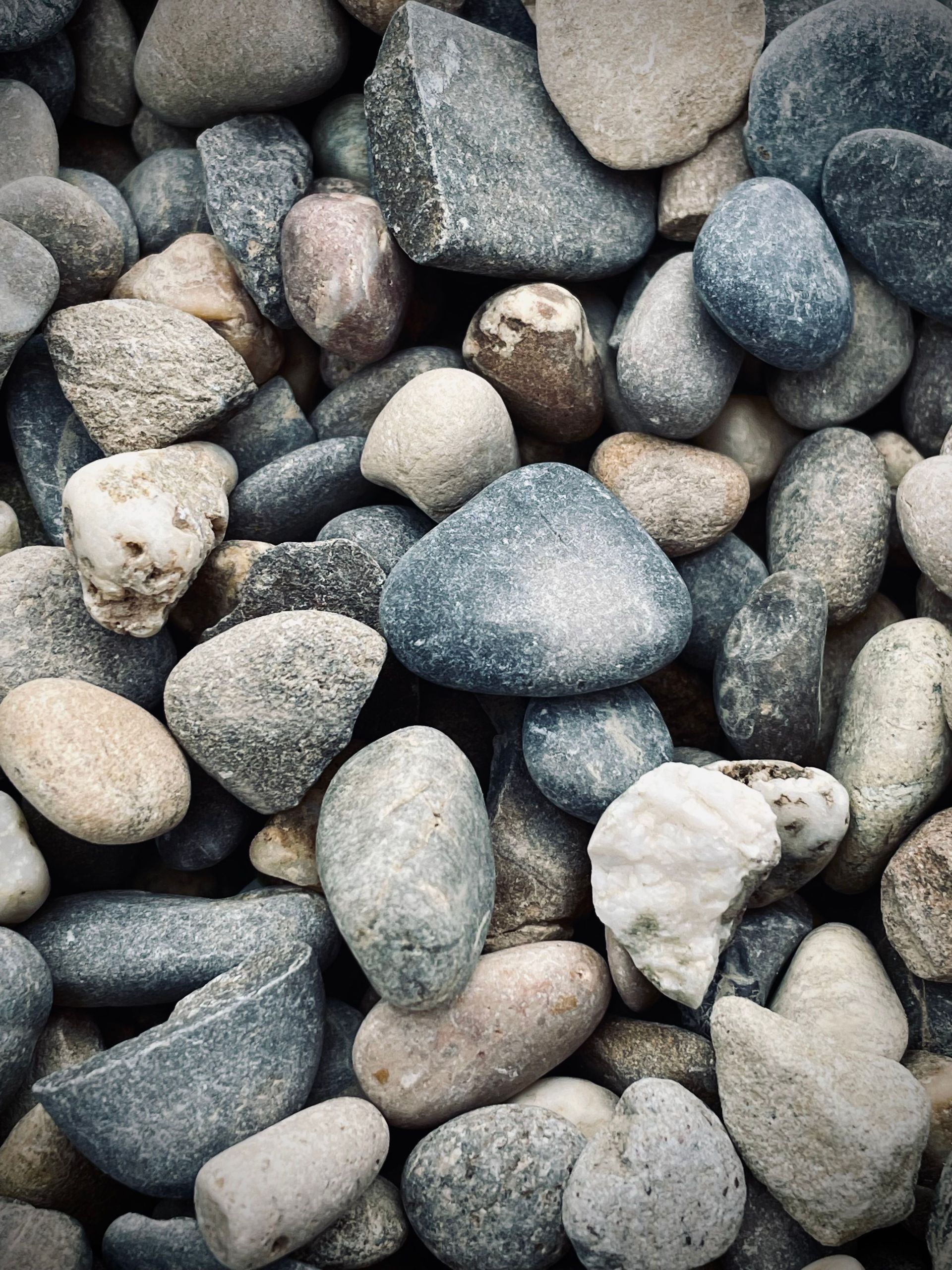
By Waratah Supplies • October 15, 2026
Compare river pebble uses and sizes for beds, paths and water features. Check depth, natural variation and product suitability before ordering from Waratah.
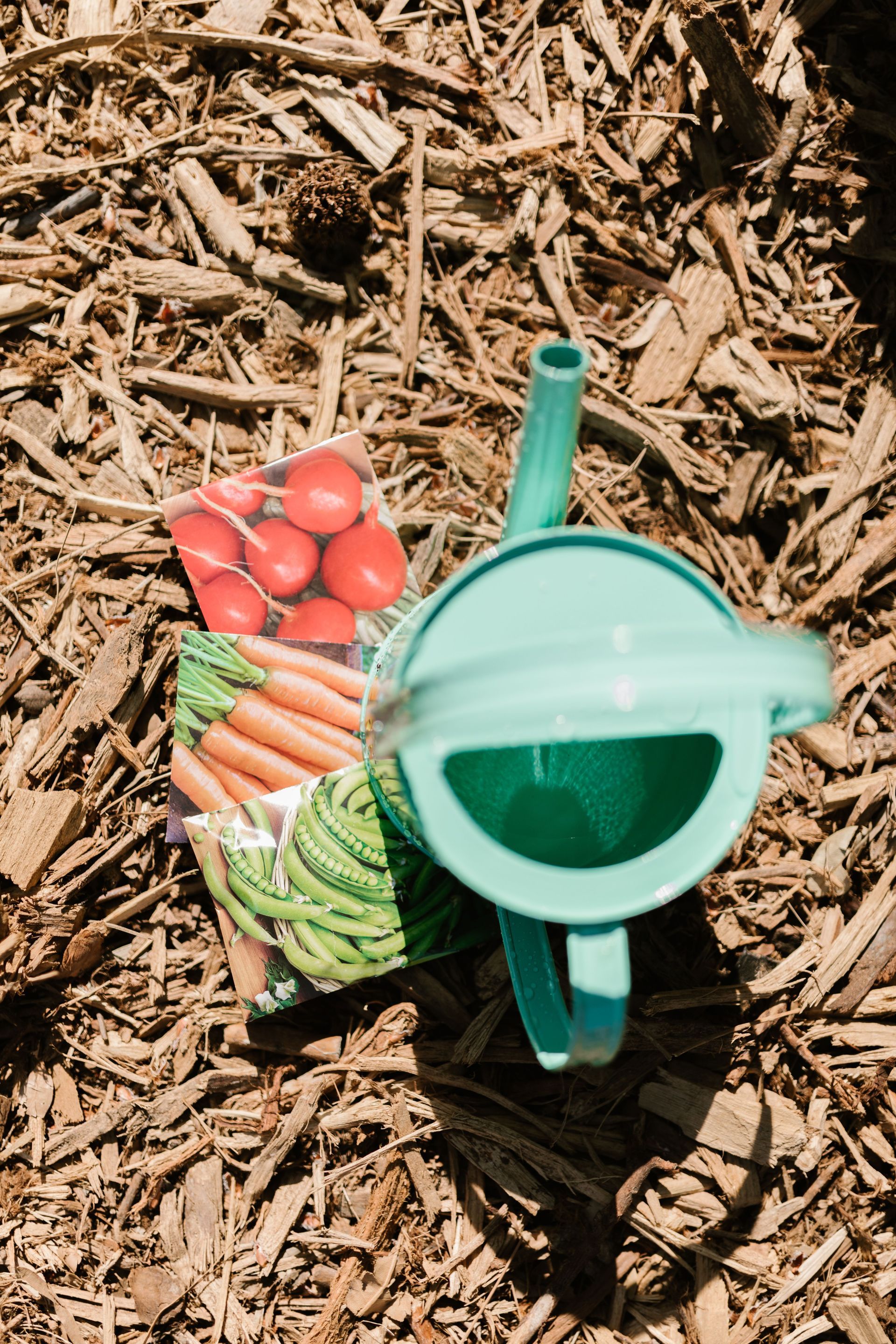
By Waratah Supplies • September 15, 2026
Compare garden bed mulch by texture, upkeep, appearance and plant needs. See how pine bark, eucalyptus, wood chip and sugar cane mulch differ before choosing.
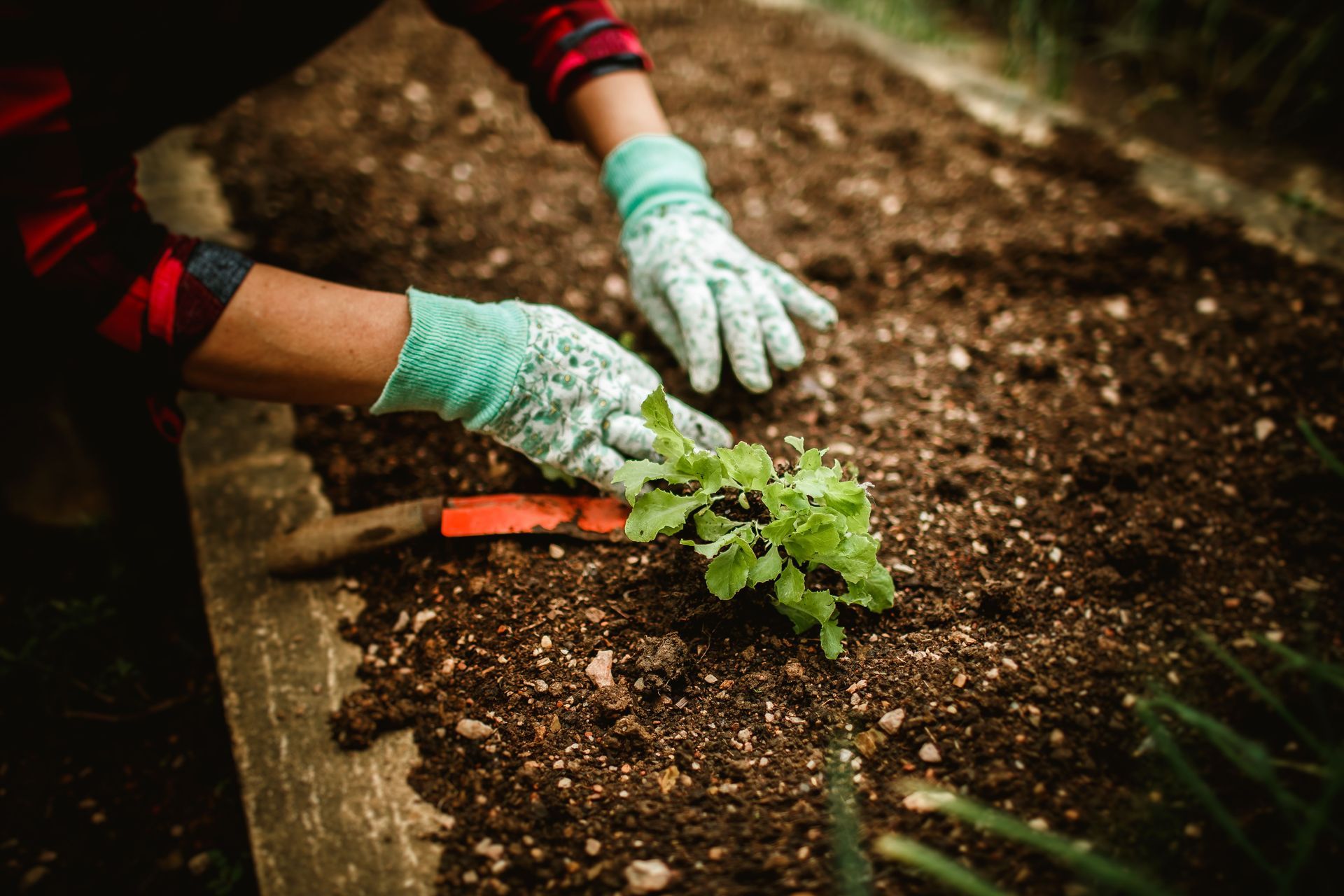
By Waratah Supplies • August 15, 2026
Choosing garden soil? Compare options for lawns, beds and planting projects. Check drainage, plant needs and quantities, then explore Waratah’s soil range.
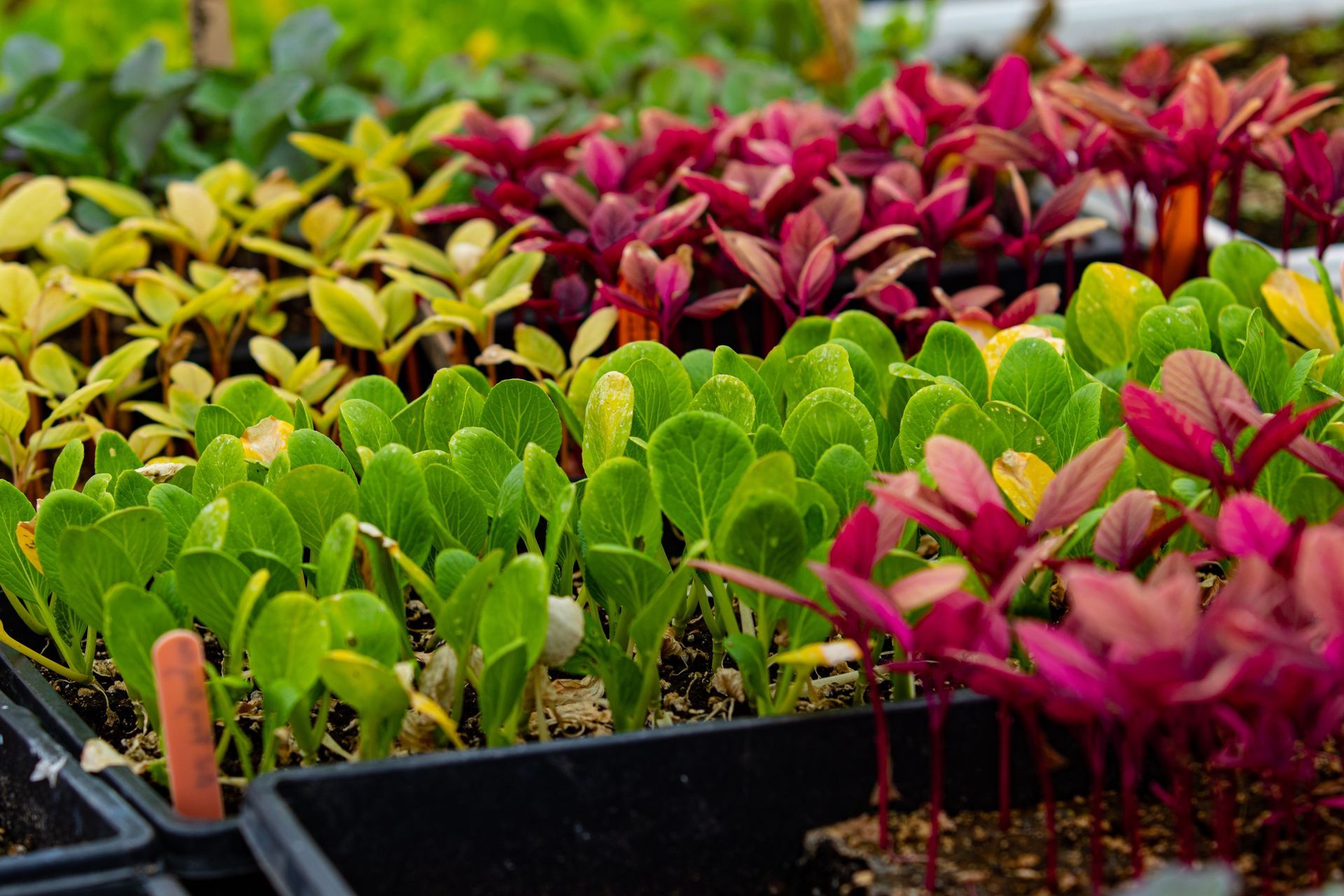
By Waratah Supplies • July 15, 2026
Learn what garden mix soil is for, where it suits and how to choose for your plants. Check site conditions, estimate volume and explore Waratah’s soil range.
By Waratah Supplies • June 15, 2026
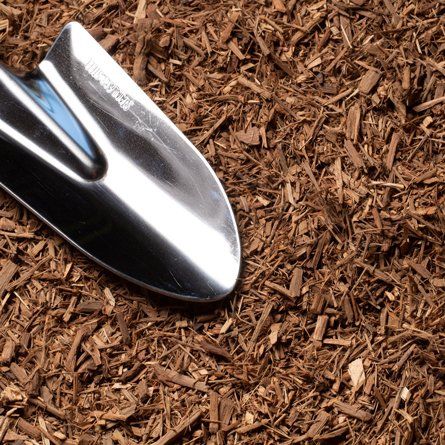
Estimate mulch volume from bed area and depth, compare product-specific coverage guidance, and use Waratah’s calculator to plan your next order.
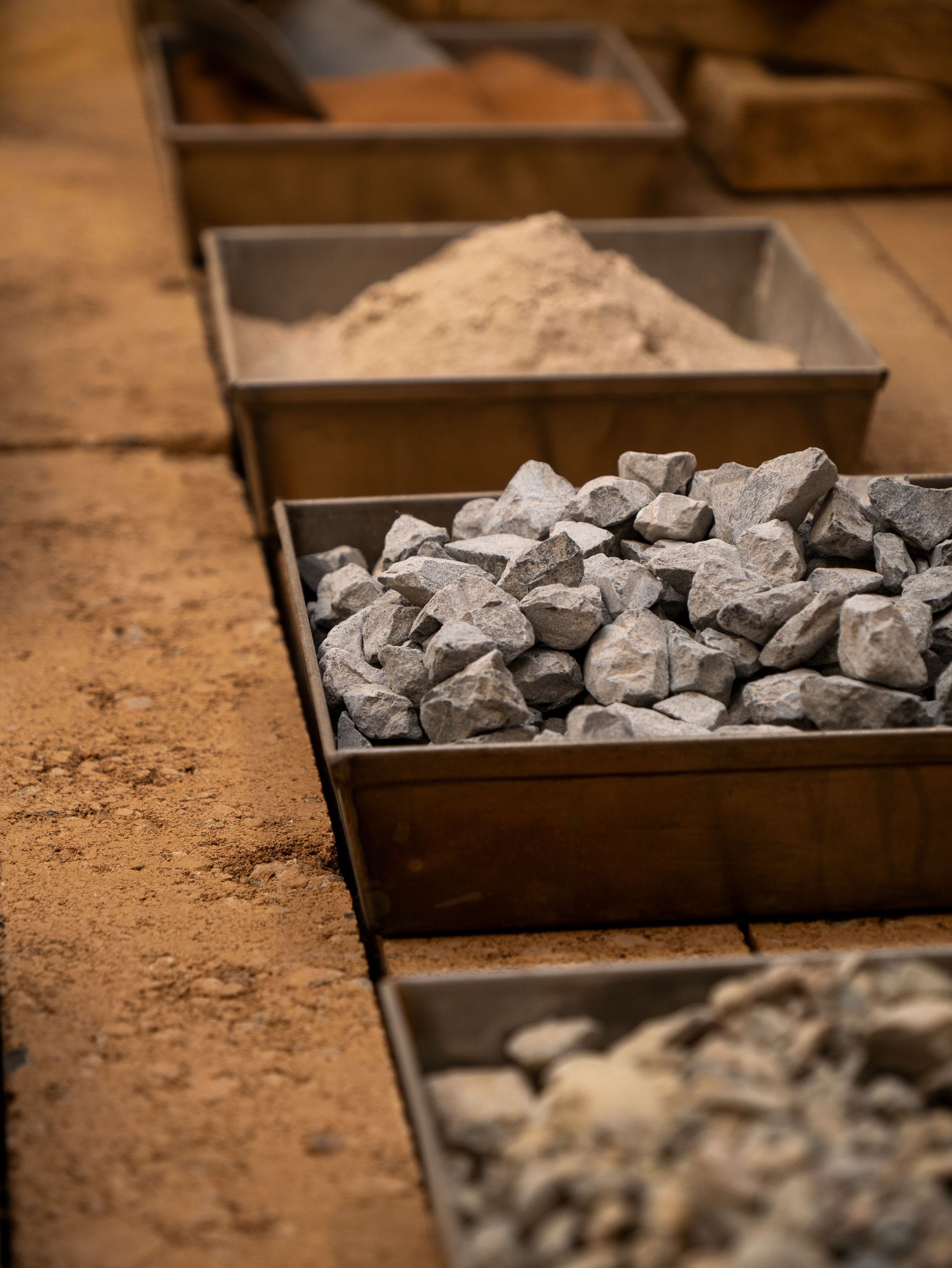
Blue metal aggregate in 1–20 mm grading, shown as coarse crushed stone for selected building and landscaping uses.
By Waratah Supplies • May 15, 2026
Understand the differences between aggregates, decorative gravel and crusher dust, and what to check when selecting materials for a landscaping or building job.

Road base material shown in a driveway construction context, representing the foundation layer beneath the finished surface.
By Waratah Supplies • April 15, 2026
Road base depth for a driveway depends on ground, drainage and traffic. Learn what affects the design and what to confirm with a contractor before ordering.
By Waratah Supplies • March 15, 2026
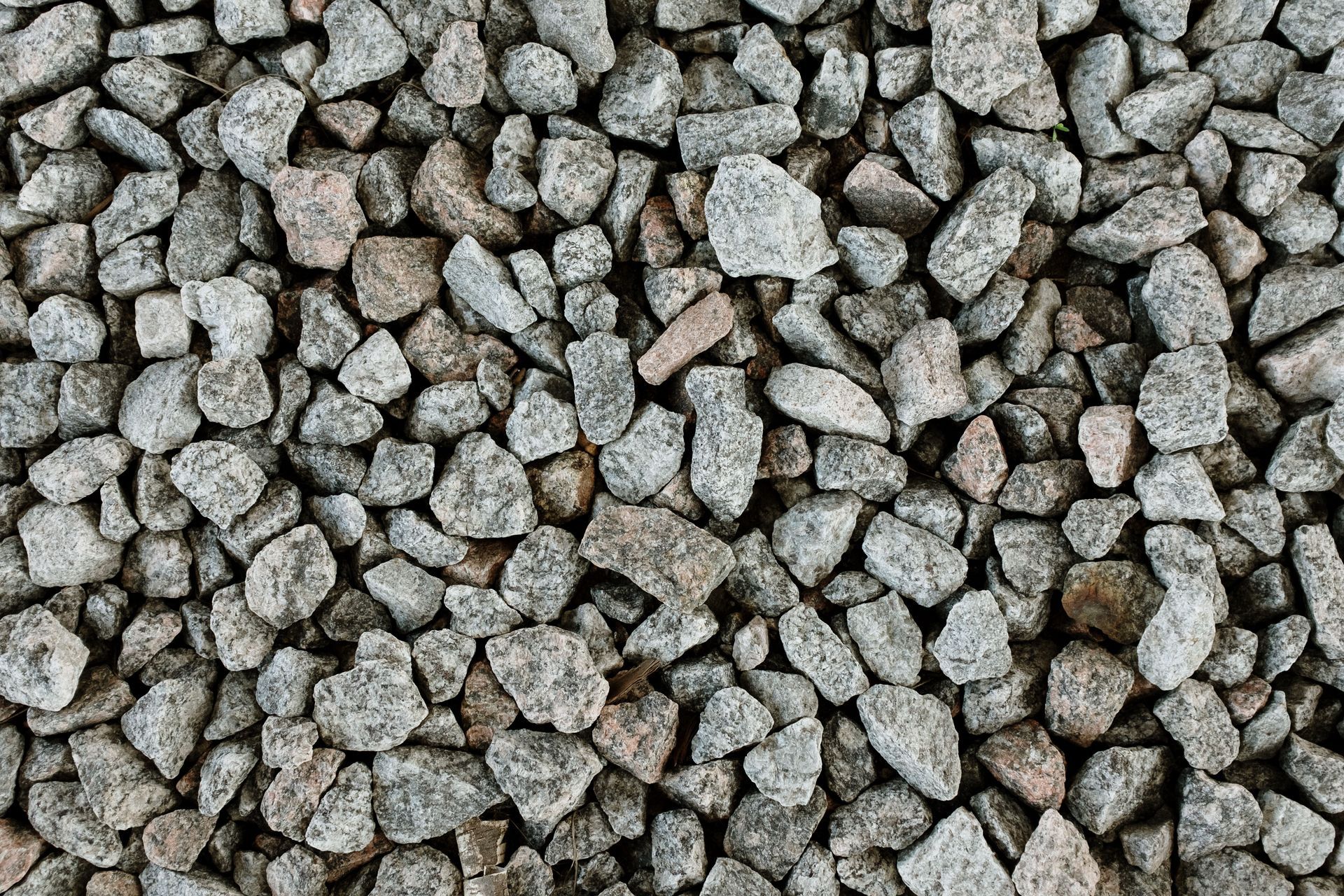
Learn how drainage gravel may fit behind a retaining wall, what to confirm with your installer and why site conditions determine the right specification.

DIY MATERIAL CALCULATOR

Our Material Calculator is a great tool to help you determine how much material you need for your next project. This tool provides an estimation only. For exact volume calculations, please contact our friendly staff on 1800 86 13 10.

Enter your values and click "Calculate" to generate.

FREQUENTLY ASKED QUESTIONS

  • Does wood mulch remove nitrogen from soil?

    In some cases, the application of mulch or wood chip directly to soil can temporarily reduce that soils nitrogen content as micro-bacteria and organisims 'borrow' this nutrient to assist in breaking down the mulches raw materials. This Nitrogen is returned to the soil once the breakdown has occurred. In most instances, established plants are unaffected by this nitorgen extraction as they have well-formed and deep-reaching root systems that can seek out enough of what they need to survive. A preventative measure to minimise the impact of this nitrogen drawdown is to introduce a 'barrier', usually a fertiliser or compost, to help protect the soils natural levels of nitrogen from being too heavily impacted. this would be particularly pertinent to implement if you are establishing a new garden in virgin soil and planting new, young plants or plants with shallow root systems. With this in mind, however, the long-term benefits of mulching still far-outweigh the drawbacks, with nutrient-enriched soil quality, enhanced moisture retention and weed suppression major improvements to be realised, especially in fiercely hot and dry climates like ours.

  • Will wood mulch acidify my soil?

    Are you struggling to get anything to grow successfully in your garden? Perhaps the answer is in the soil. Generally, alkalinity and acidity are the two bookends on the pH scale. An alkaline soil will have a pH measurement of 7 or above, while more acidic soil will measure below 7. Where soil quality is poor due to contaminents such as cement, rubble or other building waste - unfortunately quite common on new building sites or recently renovated sites - pH levels can present higher, meaning higher alkalinity. This can negatively impact many plants productivity and healthy growth. Where possible, these types of contaminents should be removed before a strategy to improve soil can begin. Improving and balancing out soil acidity can be achieved through the introduction of Pine Chip or Pine Bark which are naturally high in acid. Products to be avoided in high alkaline gardens include Mushroom Compost and Chicken Manure.

  • Do woodchips attract termites or mice?

    While wood chips and mulch materials present as the ideal dinner for a termite, they do not actually 'attract' them to your garden or home and there are many other food sources to tempt them. It is sound advice to keep a space between your home and any mulched areas of your garden so as not to invite any problems in, and there are termite resistant mulches to use if the concern is unwavering. Redwood Chip and Cypress Pine mulch are natural termite repellants as they contain resins toxic to termites. The same applies to mice and other rodents. While these small animals do naturally seek out ground cover as shelter, Mulch and Wood chip does not strictly 'attract' them to your house and garden.

  • How often do I need to reapply mulch?

    There is no set timeframe or schedule for mulching and re-mulching your gardens however the following is a simple guide we recommend to keep things looking their best. Before applying mulch give your selected area a good weed and watering. This helps to break up and aerate the soil. Apply mulch in a generous layer, roughly 75mm. The best time to apply mulch is before the dry heat of late Spring and Early Summer arrives. When reapplying mulch to an existing area, it is best to maintain a consistent depth without removing the old mulch which is still working to provide a benefit to your plants and soil. Mixing up the old with the new can prevent hard layers from forming which could stifle.

  • When to apply top dress and why?

    The most effective time to apply or re-apply topdress to your lawns is ahead of the peak growing period, which generally occurs during late Spring to early Summer. The application of Topdress during this period helps to germinate the grass seeds more quickly, providing denser coverage and growth. Apply approximately 1cm thick over freshly mowed lawns and water in well, raking evenly, any remaining clumps. Top dressing correctly when needed will provide valuable soil nutrition, helping your lawn to look great and stay healthy for longer.

NEED HELP FINDING THE BEST PRODUCT?

COME VISIT OUR SHOWROOM!